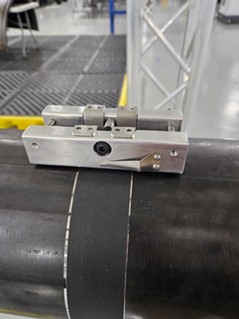
Innerspec’s VOLTA 2 inspection platform utilizes a patented MS Strip (magnetostrictive) scanning technique to transmit shear horizontal waves from the scanners to the substrate for EMAT MRUT and LRUT applications.
This proprietary MS Strip greatly enhances the Signal-to-Noise Ratio (SNR) and offers significant advantages over traditional piezoelectric Guided Waves transducers.
For LRUT inspections, it increases SNR by >20dB compared to piezoelectric collars, while providing a smaller dead zone and better mode selectivity. Because it’s not affected by vibrations, it can be used during production. For MRUT inspections, the MS Strip provides an SNR increase of >60dB over alternative techniques.
The entire strip roll (100 ft in length) weighs less than 1 kg and can be cut to any length to fit various pipe diameters or component sizes, allowing for both axial and circumferential scanning. Used alongside the scanners, it enables applications that are difficult or impossible with other techniques, such as large diameters (up to 60”) or stacked and difficult-to-reach pipes where a low profile is needed.
Due to its superior signal quality and faster installation, this method offers a significant productivity advantage over traditional piezoelectric collars. Application using double-sided tape typically takes under 3 minutes, and the materials can be reused multiple times. For reference, a typical support takes approximately 10 minutes to inspect from start to finish, including surface preparation.

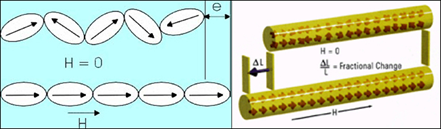
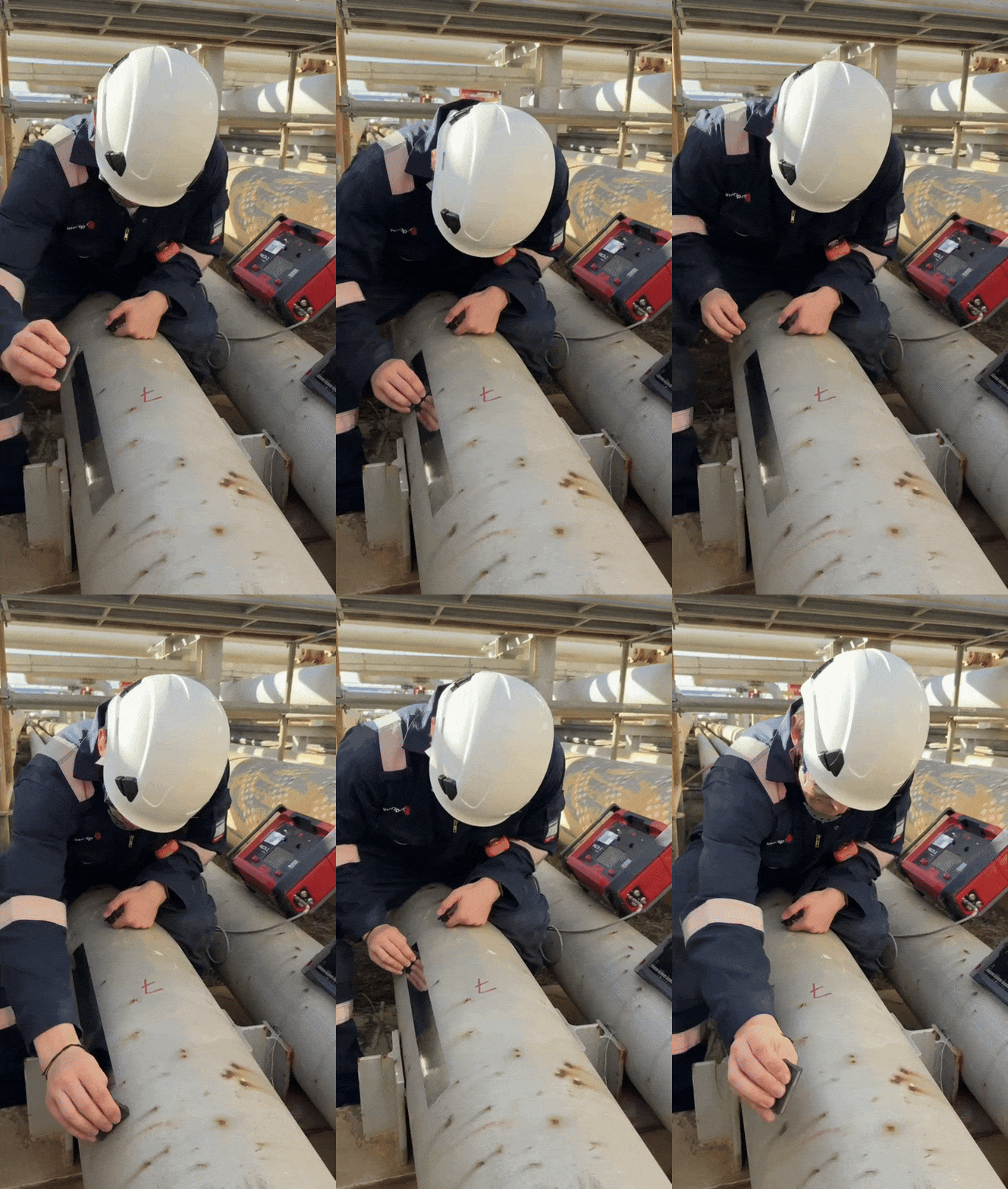
The inspector swipes the magnetostrictive strip with a permanent magnet in the desired direction of inspection. This action creates a residual magnetic field within the strip. The interaction between this static field and the dynamic field induced by the tangential current in the sensor’s coil generates magnetostrictive strain. This strain induces ultrasonic waves in the strip, which are then coupled into the lattice of the material being inspected.
Although double-sided tape is the most commonly used attachment technique, the MS strip can also be mechanically attached using a high-temperature tensioner or epoxy to adapt to different inspection needs.
The Double-Sided Tape is the recommended option for standard inspections from -30°C to +60°C, offering strong acquisition response, fast installation, and strip reusability. This attachment technique supports both axial and circumferential placement and provides exceptional adaptability.
The strip can be cut to any size based on inspection requirements and reused—typically ten to twelve times, before it becomes too wrinkled for optimal placement. It is recommended to replace the double-sided tape every two uses to ensure optimal coupling. Application time is usually under three minutes, and the signal acquisition is consistently rated as very good.
For highly corroded pipes, it is recommended to sandblast the area and cover the strip with gaffer tape to avoid potential reverberations caused by trapped air bubbles. Under these conditions, the double-sided tape should be replaced after each use for optimal coupling.
Other methods: Epoxy is another viable option. While it guarantees consistent strip placement and provides an excellent acquisition response, it is the least used method because it prevents strip reuse and involves a more time-consuming application. Specifically, it requires a 24-hourcuring period. For this application, the epoxy should be thinned with resin or anti-corrosion paint; it is suitable for pipes with operating temperatures up to 60-70°C.
The tensioner kit permits the mechanical attachment of the MS Strip to high-temperature pipes up to 260ºC for LRUT applications. It only permits the circumferential placement, with two recommended positions with a distance of 60º, to ensure a full covering.
Strips that use a tensioner have a fixed length, requiring one strip per pipe diameter. Application time is typically around 5 minutes. The strip offers high reusability, typically exceeding 9 uses. Very high temperatures require replacing the damping tape.